


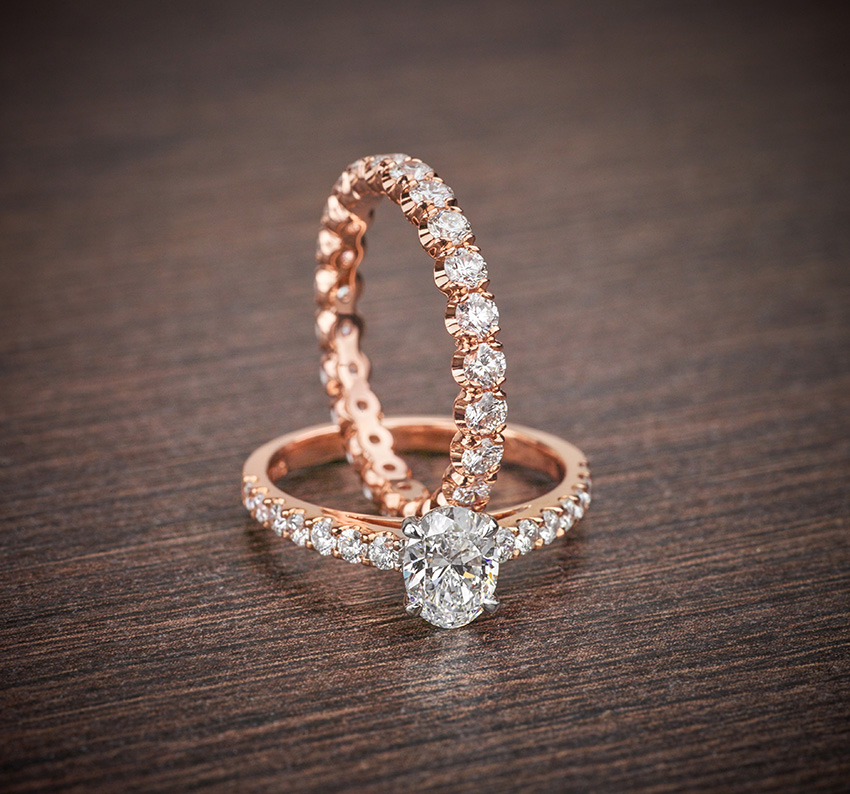
Lab grown diamonds have turn out to be a popular alternative to mined diamonds, supplying a sustainable and frequently greater affordable choice without compromising on beauty or fine. But as more clients turn to those diamonds, questions certainly arise round certification and grading requirements. Two foremost names dominate this space—GIA (Gemological Institute of America) and IGI (International Gemological Institute). In the controversy of gia vs igi, lab grown diamonds, knowing who grades greater accurately, what the reviews imply, and how that influences price can assist shoppers make extra knowledgeable selections.
This article will smash down the key differences among these two gemological laboratories, how they approach lab grown diamond grading, and what all of it approach for you as a consumer or vendor.
The Rise of Lab Grown Diamonds
Over the beyond decade, lab created diamonds have won huge traction. These are not imitations like cubic zirconia or moissanite—they are chemically and optically equal to natural diamonds. Produced using both High Pressure High Temperature (HPHT) or Chemical Vapor Deposition (CVD) strategies, lab diamonds provide an moral and eco-friendly desire, averting many of the controversies associated with mining.
As this marketplace has grown, the significance of impartial certification has become more important. Just like their mined opposite numbers, lab diamonds range in fine primarily based on the 4 Cs: Cut, Color, Clarity, and Carat weight. That’s in which businesses like GIA and IGI are available in.
What Is Diamond Certification and Why Does It Matter?
A diamond grading file is a file issued via an impartial gemological laboratory. It presents an objective analysis of a diamond’s characteristics, supporting consumers apprehend precisely what they are purchasing. For lab grown diamonds, this certificate is in particular vital because it validates the diamond’s authenticity and guarantees transparency in pricing.
Without right certification, shoppers might unknowingly pay more for a stone that isn’t correctly graded—or worse, is not even a actual diamond.
GIA vs IGI: What’s the Difference in Grading?
Both GIA and IGI are official institutions in the international of gemology, but they method the grading of lab grown diamonds in specific methods.
GIA (Gemological Institute of America)
GIA is perhaps the maximum well-known diamond grading laboratory worldwide. Historically, it’s been the gold widespread for grading mined diamonds. However, GIA turned into rather gradual to enter the lab grown diamond area. It wasn’t till 2007 that GIA started out issuing lab grown diamond reviews, and first of all, they did not use the equal distinctive grading scale as they did for natural diamonds.
In recent years, GIA has subtle its reviews to more carefully align with the grading standards used for herbal diamonds. As of 2020, GIA lab grown diamond reviews now consist of the total 4 Cs or even laser inscribe the girdle with the document range, imparting delivered traceability.
Pros of GIA:
-
Industry leader in grading requirements
-
Conservative and steady opinions
-
Detailed, updated grading reviews for lab diamonds
Cons of GIA:
-
Slightly more pricey grading prices
-
Historically sluggish adoption of lab grown requirements, which can also affect purchaser notion
IGI (International Gemological Institute)
IGI, then again, turned into one of the first establishments to embrace lab grown diamonds. It offers complete certification for both herbal and lab created stones and is widely diagnosed amongst jewelers, specifically inside the U.S. And Asia.
IGI reviews have a tendency to be a bit extra lenient in comparison to GIA, that can result in lab diamonds receiving barely better grades for colour or readability. However, many shops decide on IGI due to the fact the certificate are more on hand, fee-powerful, and quicker to obtain.
Pros of IGI:
-
Strong presence inside the lab diamond market
-
Faster turnaround and decrease certification costs
-
More broadly used for commercially bought lab grown earrings
Cons of IGI:
-
Slightly more generous grading, which can also boost worries about consistency
-
Less identified in excessive-end luxury circles in comparison to GIA
GIA vs IGI: Lab Grown Diamond Market Impacts
So, how does the GIA vs IGI, lab grown diamonds debate have an effect on the patron directly? In realistic phrases, the grading document can have an impact on both the perceived value and resale capability of a diamond.
For instance, a diamond graded as VS1 readability and G colour by way of IGI may acquire a decrease grade if evaluated by using GIA. That discrepancy can affect the pricing appreciably, even though the physical stone hasn’t modified. Consumers have to be privy to this whilst evaluating stones from one of a kind shops.
Retailers often opt for IGI certificate due to decrease prices and quicker processing, specifically for on-line or mass-marketplace sales. Meanwhile, GIA-graded lab diamonds are normally visible in better-quit or custom-designed pieces, where a extra conservative and relied on grading report adds credibility and fee.
Which Certification Should You Choose?
If you’re purchasing for a lab grown diamond and are looking to decide among a GIA or IGI certificate, recall the following:
Budget:
IGI-graded diamonds may be barely less costly because of more beneficiant grading and lower certification fees.
Trust and Resale:
GIA’s conservative reputation may also make its certification more valuable in case you plan to resell or improve your diamond inside the future.
Purpose:
For engagement earrings or lengthy-term keepsakes, a GIA-certified lab diamond may offer peace of thoughts. For fashion rings or items, an IGI-certified stone may also offer better cost.
Regardless of which certificate you pick out, make certain you evaluate the total grading file—no longer just the summarized grade. Look at reduce proportions, fluorescence, and boom technique (CVD or HPHT), as those can affect appearance and price.
The Bottom Line: Informed Buying Is Smart Buying
The debate round GIA vs IGI, lab grown diamonds ultimately comes right down to priorities. GIA can also provide a higher degree of consider and precision, while IGI brings pace and affordability to the table. Both businesses are legitimate, and both serve vital roles within the diamond enterprise.
As the lab grown diamond marketplace maintains to mature, the gap among grading requirements may additionally narrow. But for now, being aware about how these establishments function and what their reports imply will help you navigate the jewellery landscape with self assurance.
If you are ever in doubt, discuss with a trusted jeweler or gemologist who can help interpret grading reports and ensure you’re making a desire that aligns with your values and price range. After all, a diamond—whether or not grown in a lab or mined from the earth—is a symbol of some thing precious. It simplest makes sense to select it wisely.